Abbott Lingo vs. Dexcom Stelo: The Over-the-Counter CGMs Compared
Lingo and Stelo both skip the prescription. See who each glucose sensor is for, how long it lasts, what the apps show and which one fits type 2 diabetes.
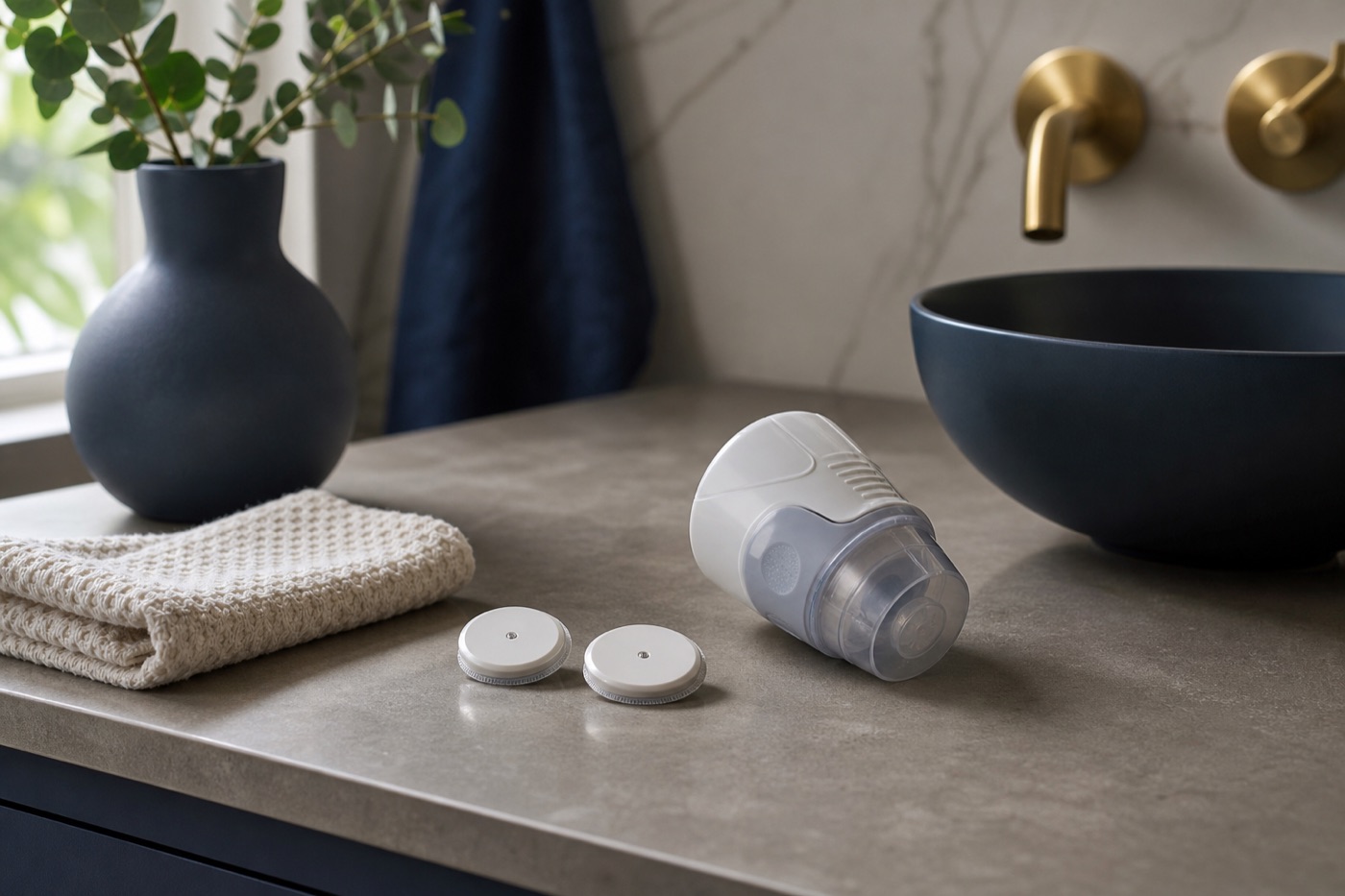
Dexcom Stelo is the better pick if you have type 2 diabetes and don’t use insulin, because the FDA cleared it for people whose diabetes is managed with oral medication as well as for people without diabetes, and each sensor lasts up to 15 days. Abbott Lingo is the wellness-first option: it runs 14 days per sensor and is sold as a way to understand your metabolism, not to manage a disease. Both are sold without a prescription to adults 18 and older who are not on insulin.
At a glance
| Dexcom Stelo | Abbott Lingo | |
|---|---|---|
| Prescription | Not required | Not required |
| Intended users | Adults 18+ not on insulin, with or without diabetes | Adults 18+ not on insulin; not for diagnosing disease |
| Sensor life | Up to 15 days | Up to 14 days |
| Phones | iPhone and Android (current OS versions) | iPhone and Android |
| Watch | Apple Watch extension | Not described by Abbott |
| Health app sync | Not listed on compatibility page | Apple Health and Health Connect |
| Buying options | Monthly subscription or one-time purchase | Two-week plan with no auto-renewal |
Who each one is cleared for
This is the real difference between the two. When the FDA cleared Stelo on March 5, 2024, it described the intended users as adults who don’t use insulin, naming two groups: people with diabetes managed with oral medication, and people without diabetes who want to see how diet and exercise affect their blood sugar. The agency added that Stelo is not for people with problematic hypoglycemia, since it is not designed to warn users about that condition.
Abbott took a different path. Its June 2024 announcement positioned Lingo as a consumer biowearable for general wellness, and the current Lingo site says the system is “NOT intended for diagnosis of diseases, including diabetes.” In the same announcement, Abbott said the FDA had also cleared a separate over-the-counter sensor, Libre Rio, for adults with type 2 diabetes who don’t use insulin. That split leaves Lingo pitched at people who want insight into habits, not treatment.
In practice, if a doctor has told you that you have type 2 diabetes and you don’t take insulin, Stelo was built with you in mind. If you’re healthy and curious, either works, and the choice comes down to the app.
Wear time, phones and watches
Stelo’s wear period is up to 15 days, per the FDA. Dexcom is candid that not every sensor makes it: a footnote on its site says 77.9% of sensors lasted the full 15 days in a study. Lingo’s biosensor attaches to the back of the upper arm and delivers data for up to 14 days, and Abbott says it will replace one free of charge if it stops working early.
On phones, Dexcom’s compatibility page lists support for iOS 18.6 through iOS 26.6 and Android 13 through Android 16. Stelo also extends to a compatible Apple Watch; with app version 3.3 or later, readings can reach the watch directly when the phone is out of range. Abbott says Lingo works with iOS and Android and syncs workouts and glucose data with Apple Health or Health Connect.
One thing both share: they read glucose in the fluid between cells rather than in blood. The National Institute of Diabetes and Digestive and Kidney Diseases describes that level as very similar to blood glucose, and notes that a fingerstick test is the way to check a CGM reading whose accuracy you doubt. Keep that in mind before acting on a single surprising reading from either sensor.
What the apps do with your numbers
Stelo’s software changed a lot in 2026. In February, Dexcom added AI-assisted meal logging that accepts text search, barcode scans or a photo, plus redesigned Daily Insights cards offering up to three suggestions based on the previous day’s glucose, activity and sleep. In June, Dexcom said a reimagined Stelo app had received FDA clearance the month before, adding pattern recognition, proactive AI coaching and daily and weekly summaries, with a wider rollout planned for later in the summer. Dexcom notes that tips from its AI coach are not medical advice.
Lingo’s app is built around a simpler idea. Its signature feature, the Lingo Count, is described by Abbott as showing the glucose impact of what you do, and the app layers meal and exercise logging, weekly patterns, personalized recommendations and short challenges on top. MedTech Dive reported at launch that Lingo counts glucose spikes, while Stelo tracks time in range.
Buying, coaching and refunds
Dexcom sells Stelo as a monthly subscription or a one-time purchase. Abbott’s Lingo plans include a two-week option with a single sensor that does not renew automatically, and first-time buyers get a 30-day money-back guarantee. Both makers describe their sensors as HSA/FSA eligible.
Each company also points customers toward dietitians. Stelo’s site offers one-on-one nutrition coaching through Nutrisense, which Dexcom agreed to acquire in 2026, and notes that insurance coverage may vary by plan. Abbott links to Berry Street for nutrition therapy with registered dietitians, a service it says Berry Street operates independently. For how that kind of counseling and its coverage work, see our guide to telehealth dietitians.
When neither is the right tool
If you use insulin or have problematic low blood sugar, both of these are the wrong device. Ask your clinician about a prescription CGM, and don’t change any medication based on an over-the-counter sensor without talking to them first; the FDA says the same about Stelo. If you don’t have diabetes at all and are mainly wondering whether a sensor is worth wearing, our guide to CGMs for people without diabetes looks at what the research does and doesn’t show. Our 2026 glucose monitor awards cover prescription sensors and fingerstick meters alongside these two.
Bottom line
Choose Stelo when you have, or are at risk of, type 2 diabetes and want an app that leans clinical, with time in range and an Apple Watch view. Choose Lingo when you’re mainly curious about how meals and workouts move your glucose and want a no-commitment two-week trial. Either way, treat the numbers as information to bring to a doctor, not a diagnosis.
Questions people ask
Do I need a prescription for Lingo or Stelo?
No. The FDA cleared Stelo in March 2024 as the first over-the-counter CGM, and Abbott sells Lingo over the counter as well. Both are limited to adults 18 and older who do not use insulin.
Can I wear Stelo or Lingo if I take insulin?
Neither is meant for you. Both makers limit their sensors to people not on insulin, and the FDA noted that Stelo is not designed to alert users to dangerous lows, so insulin users should ask their care team about a prescription CGM.
Will Lingo tell me whether I have prediabetes?
No. Abbott states that Lingo is not intended to diagnose any disease, diabetes included. A blood test ordered by your doctor is how prediabetes and diabetes are diagnosed.
Do these sensors work with an Apple Watch?
Stelo does: its compatibility page says app version 3.3 and later can send glucose data straight to a compatible Apple Watch even when the phone is out of range. Abbott's Lingo page mentions syncing with Apple Health and Health Connect rather than a watch app.
Sources
Guides are written by the Innovation Prizes editors from makers' documentation, regulators and published research. We do not take advertising or affiliate commissions. About us.